Expert Tips: A Comprehensive Guide to Trekking to Everest Base Camp
Trekking to Everest Base Camp is a dream for many adventure enthusiasts, and with our comprehensive guide, you’ll be well-prepared to tackle this iconic journey. From planning your itinerary to packing essential gear, our expert tips cover every aspect of the trek, ensuring a safe, enjoyable, and memorable experience in the Himalayas.
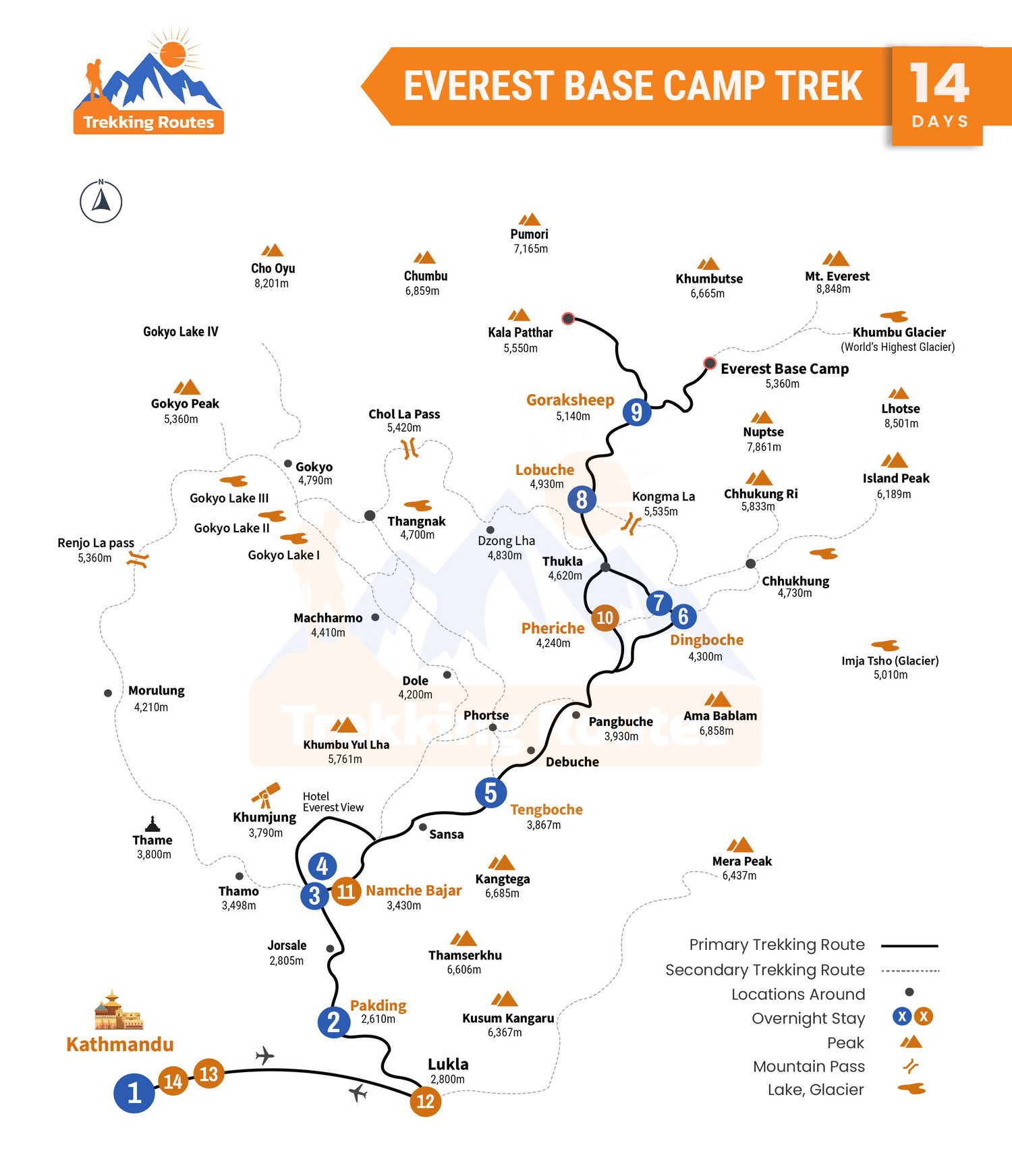
Planning your Everest Base Camp trek begins with selecting the right itinerary that suits your fitness level, time constraints, and preferences. Our guide provides detailed insights into various trekking routes, highlighting key landmarks, altitude gains, and estimated trekking durations. Whether you opt for the classic route via Namche Bazaar or adventurous alternatives like the Three Passes trek, our guide helps you make an informed decision based on your trekking goals.
In addition to itinerary planning, our guide offers valuable advice on essential gear and equipment needed for the trek. From clothing layers to trekking poles, we outline must-have items to ensure your comfort, safety, and enjoyment on the trail. Our recommendations are based on years of experience and feedback from seasoned trekkers, ensuring you’re well-equipped for the challenges of the Everest region. With our comprehensive guide, you’ll have all the information you need to embark on your Everest Base Camp adventure with confidence and peace of mind.
Cultural Immersion: Explore the Rich Heritage of the Everest Region
Beyond its stunning natural beauty, the Everest region is home to a rich cultural heritage, with centuries-old traditions and customs waiting to be discovered. Our cultural immersion package offers travelers the opportunity to explore the unique Sherpa culture, visit ancient monasteries, and interact with local communities along the trekking route to Everest Base Camp.
One of the highlights of our cultural immersion package is the chance to visit traditional Sherpa villages nestled amidst the Himalayan peaks. Here, you’ll have the opportunity to meet friendly locals, learn about their way of life, and sample authentic Sherpa cuisine. From hearty dal bhat meals to butter tea and local delicacies like yak cheese, you’ll experience the warmth and hospitality of Sherpa culture firsthand.
In addition to village visits, our cultural immersion package includes guided tours of historic monasteries and religious sites along the trekking route. Marvel at the intricate architecture of Tengboche Monastery, one of the most important Buddhist monasteries in the Everest region, and participate in spiritual ceremonies and rituals led by resident monks. With our cultural immersion package, you’ll gain a deeper understanding and appreciation of the rich cultural tapestry that defines the Everest region, creating meaningful connections and memories that will last a lifetime.
Luxury Escapes: Experience Everest Base Camp in Style
Indulge in the ultimate luxury escape with our Everest Base Camp trekking package, designed for travelers seeking unparalleled comfort, pampering, and relaxation amidst the rugged beauty of the Himalayas. From deluxe accommodations to gourmet dining experiences, every aspect of your journey is curated to provide a luxurious and unforgettable trekking experience in the Everest region.
Your luxury escape begins with VIP treatment from the moment you arrive in Kathmandu, where you’ll be greeted by our professional staff and whisked away to your luxurious hotel accommodations. Throughout the trek, you’ll stay in handpicked luxury lodges and boutique teahouses, where every detail has been thoughtfully curated to ensure your comfort and satisfaction. From plush bedding to modern amenities and stunning mountain views, you’ll enjoy the finest in hospitality and relaxation after each day’s trek.
In addition to deluxe accommodations, our luxury escape package includes gourmet dining experiences featuring the finest local and international cuisine. Savor gourmet meals prepared with fresh, locally sourced ingredients, paired with fine wines and spirits to tantalize your taste buds and elevate your dining experience. Whether you’re dining under the stars amidst the Himalayan peaks or enjoying a private meal in the comfort of your lodge, every meal is a culinary delight to be savored and enjoyed. With our luxury escape package, you’ll experience the adventure of a lifetime without compromising on comfort, luxury, or indulgence.
Essential Information
For a successful Everest Base Camp trek, permits, experienced guides, comfortable accommodations, maintained fitness, and necessary gear are necessary. These elements are crucial for a safe and enjoyable adventure in the Himalayas.
Everest Base Camp Trek Permits:
To embark on the renowned trail to Everest Base Camp, trekkers will require several permits, obtainable either in Kathmandu or Lukla. These permits include the Sagarmatha National Park entry permit and the local community fee at Lukla. The community fee contributes to the improvement of the trail and the local area. The Sagarmatha National Park entry permit and the local community fee are necessary for trekking in the Everest region.
Guides and Porters:
At Trekking Routes, we provide trekkers with an experienced team of guides, Sherpas, and porters who are not only skilled professionals but also excellent communicators and problem-solvers. Our guides and porters are trained to handle any crisis or difficult situation that may arise during the trek, ensuring the safety and well-being of our clients at all times. We also provide responsible porters to safely transport trekkers’ belongings, with each porter carrying a maximum of 20 kg. Depending on the size of the group, we provide the appropriate number of guides to ensure that each trekker receives personalized attention and support throughout the journey.
Accommodation:
During the Everest Base Camp trek, Trekking Routes offers comfortable accommodation at the best available guesthouses and teahouses along the trail. Our accommodations provide clean and cozy lodging with warm blankets to ensure a restful night’s sleep after a day of trekking. While accommodation facilities may be more limited in areas above Dingboche, we make every effort to secure the best possible lodging options for our clients. Whether you prefer basic or luxury accommodation, Trekking Routes ensures that your comfort is not compromised throughout the trek.
Foods:
Trekking Routes takes pride in providing nutritious and delicious meals to fuel trekkers throughout their journey to Everest Base Camp. While trekking through places like Namche, Tengboche, and others where food options are available, we offer alpine dishes that meet the nutritional needs of the body and provide energy for trekking at high altitudes. Breakfasts and dinners are typically enjoyed at the accommodations, while lunch can be enjoyed at one of the teahouses along the trail. Our teahouse partners offer a variety of cuisines, including Asian, Continental, and more, ensuring that trekkers have satisfying meals throughout their adventure.
Fitness Requirement:
While trekking to Everest Base Camp does require a certain level of fitness, it is not necessary to be super fit. The trail is physically manageable, but mentally challenging due to long trekking days and hours of walking. With strong determination and perseverance, trekkers can conquer the challenges of the trail and enjoy the trekking experience to the fullest. Trekking Routes encourages trekkers to be mentally prepared for the journey, as overcoming obstacles and pushing personal limits are part of the adventure.
Best Season to Go:
The best seasons for the Everest Base Camp trek are Spring (March to May) and Fall (October to November). During these months, the weather is favorable, offering clear skies and stunning views of the snow-capped mountains. While trekking is possible in February and September, Spring and Fall are considered the optimal times for the trek. Trekking Routes advises against trekking during the monsoon season (June to August) due to heavy rainfall, as well as in December and January due to extreme cold. We prioritize the safety and enjoyment of our clients by recommending the best times to undertake this iconic trek.
About Flight Delays and Cancellation of Lukla:
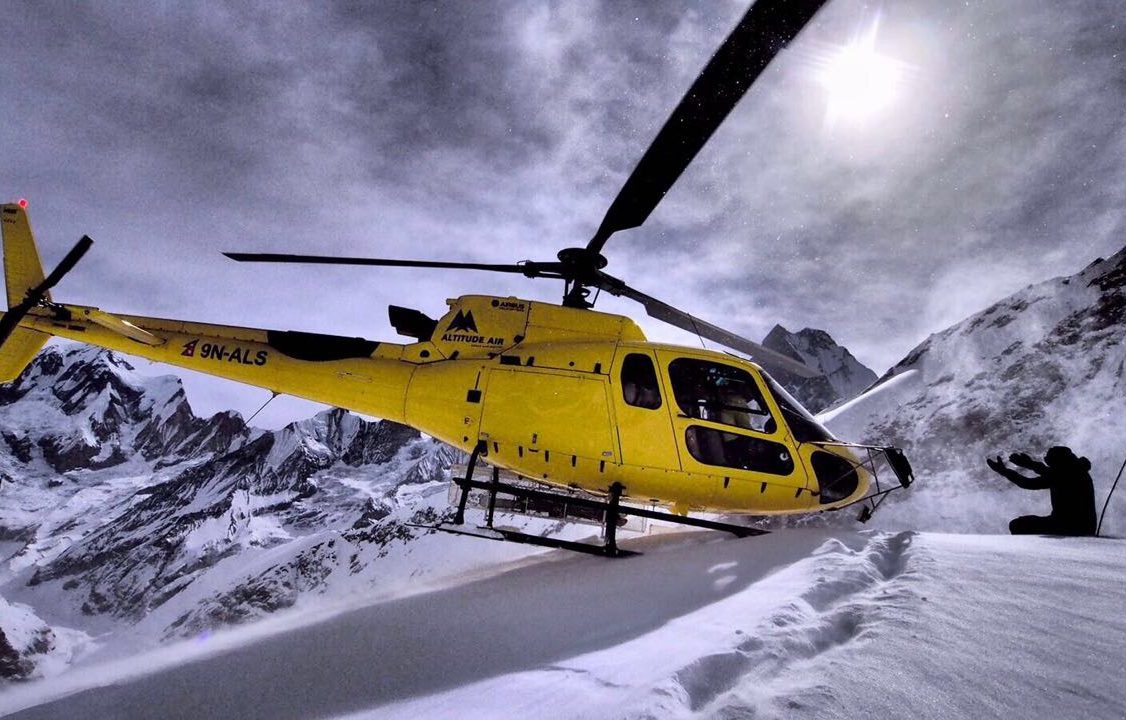
Trekking Routes understands the challenges posed by flight delays and cancellations to Lukla, the gateway to the Everest region. The unpredictable weather conditions and challenging terrain make takeoffs and landings in Lukla particularly challenging. Factors such as the lack of Instrumental Landing System and the mountainous landscape contribute to flight delays and cancellations. We advise trekkers to allocate an extra 1 or 2 days in their itinerary to account for such delays. In case of flight disruptions, alternatives such as chartered helicopters are available, ensuring that trekkers can continue their journey safely and seamlessly.
Insurance and Emergency Rescue:
Trekking in the Himalayas, including the Everest Base Camp trek, carries inherent risks, and having adequate travel insurance is essential. Travel insurance should cover mountaineering injuries, medical evacuation, emergency hospital visits, and other policy benefits. Trekking Routes recommends purchasing travel insurance that includes coverage for high-altitude trekking, helicopter evacuation, and other potential risks associated with trekking in Nepal. In the event of a medical emergency or altitude sickness, travel insurance provides peace of mind and financial protection for trekkers.
Required Equipment:
Trekking Routes provides trekkers with a comprehensive list of recommended equipment to ensure their safety and comfort during the Everest Base Camp trek. Essential items include Gore-Tex jackets and pants, trekking t-shirts and trousers, thermal layers, waterproof boots, and personal supplies such as sunscreen, hand sanitizer, and medications. Additionally, Trekking Routes offers sleeping bags, permits, and emergency medical kits to all trekkers, ensuring that they are well-equipped for the journey ahead. With the right equipment and preparation, trekkers can enjoy a safe and memorable trekking experience in the Himalayas with Trekking Routes.