Everest View Trek

Good To Know

  • Duration 6 Days
  • Activity Trekking
  • Difficulty Type Moderate
  • Best Season all time
  • Max. Altitude 3900
  • Accommodation Tea House
  • Meal 3 Meal A day
  • Trip Starts Kathmandu

The Everest View Trek is an exhilarating short trekking experience in the Khumbu region of Nepal, perfect for adventure enthusiasts who wish to witness the majestic Mt. Everest without undertaking a strenuous journey to Everest Base Camp. This 5-day itinerary begins with an exciting flight from Kathmandu to Lukla, one of the world’s most dramatic airstrips. From there, the trek leads to charming villages, lush rhododendron forests, and breathtaking mountain vistas, with stops at iconic locations like Phakding and Namche Bazaar. The highlight of the trek is a visit to the Hotel Everest View, the highest-altitude hotel in the world, offering a panoramic glimpse of Everest and its neighboring peaks.

This trek is designed for individuals with a moderate fitness level and limited time. It allows trekkers to immerse themselves in Sherpa culture, explore vibrant markets, and experience the serenity of the Himalayas. Along the route, trekkers encounter prayer wheels, fluttering prayer flags, and stunning suspension bridges, all set against the backdrop of snow-capped mountains. The trek is a great introduction to the Khumbu region’s natural beauty and rich heritage.

The Everest View Trek is not only about mountains but also about the unique cultural encounters. Travelers can explore the bustling Namche Bazaar, the heart of Sherpa commerce, and visit local monasteries. The journey provides a perfect balance of adventure, culture, and breathtaking landscapes, making it an unforgettable Himalayan experience.

Highlights of the Everest View Trek

  1. Scenic 30-minute flight from Kathmandu to Lukla, offering aerial views of the Himalayas.
  2. Trek through lush forests, crossing suspension bridges adorned with prayer flags.
  3. Explore Namche Bazaar, the vibrant Sherpa hub at 3,450 meters.
  4. Visit the iconic Hotel Everest View, the highest hotel in the world, for stunning panoramas.
  5. Experience Sherpa culture, tradition, and warm hospitality.
  6. Enjoy views of Mt. Everest, Lhotse, Ama Dablam, and Thamserku.
  7. Witness the unique flora and fauna of Sagarmatha National Park, a UNESCO World Heritage Site.

Spectacular Views of Everest View Trek

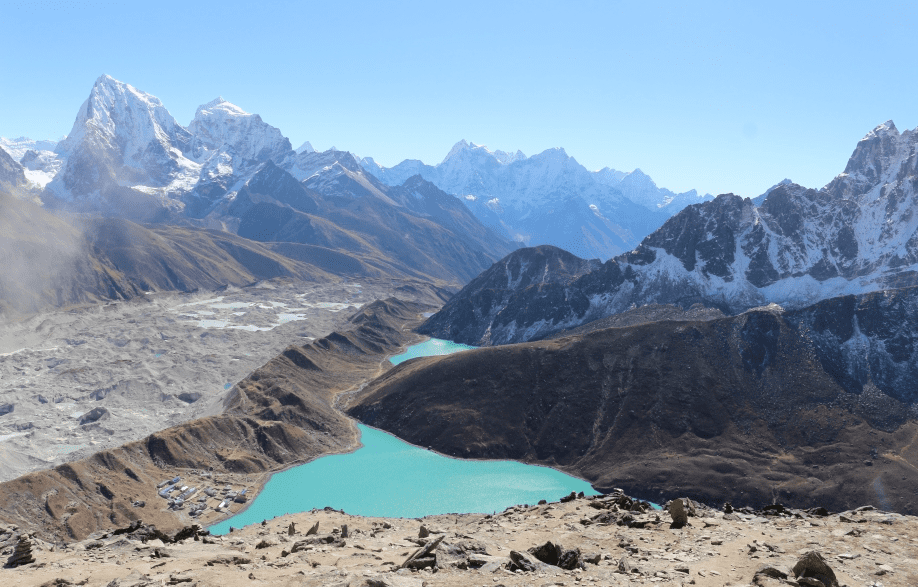
The Everest View Trek provides some of the most spectacular mountain vistas in the world. The trek to the Hotel Everest View offers an unobstructed panorama of towering peaks, including Mt. Everest (8,848m), Lhotse (8,516m), Ama Dablam (6,812m), and Thamserku (6,608m). The morning views from this hotel are breathtaking as the sunlight illuminates the snow-covered summits, creating an ethereal glow.

Apart from Everest, trekkers are treated to diverse landscapes throughout the route. The lush forests of Sagarmatha National Park are home to rhododendrons, pines, and junipers. The sparkling waters of the Dudh Koshi River and the deep gorges framed by towering cliffs add to the visual delight. Each turn of the trail offers new perspectives of the Himalayan giants, making it a photographer’s paradise.

The interplay of nature and culture enhances the beauty of the trek. Prayer flags fluttering in the wind, mani walls with intricate carvings, and ancient monasteries set against the backdrop of the mountains create a sense of peace and spirituality. This blend of natural grandeur and cultural richness makes the Everest View Trek unforgettable.

Lukla

Lukla is the gateway to the Everest region, known for its thrilling Tenzing-Hillary Airport. Nestled at an altitude of 2,860 meters, this small town is surrounded by rolling hills and towering peaks. It serves as the starting point for most Everest treks, bustling with trekkers, guides, and porters. Lukla offers various amenities, including guesthouses, restaurants, and gear shops, making it a convenient starting base for adventurers.

Phakding

Phakding, located at an elevation of 2,610 meters, is a serene village along the Dudh Koshi River. It is a popular first stop for trekkers heading toward Namche Bazaar. The village is known for its peaceful ambiance, prayer wheels, and small monasteries. Trekkers often take a leisurely walk through its surroundings, enjoying the views of pine forests and distant peaks.

Namche Bazaar

Namche Bazaar, at 3,450 meters, is the bustling heart of the Khumbu region. This vibrant town is a central hub for trekkers, traders, and locals. With colorful markets, bakeries, and gear shops, Namche offers both cultural and modern comforts. Visitors can explore Sherpa culture, visit museums, and enjoy incredible views of mountains like Thamserku and Kongde Ri. It also serves as an acclimatization stop for higher-altitude treks.

Why Travel with Trekking Routes for Everest View Trek?

Trekking Routes offers a well-organized and reliable trekking experience with a focus on safety, comfort, and authenticity. Our experienced guides ensure trekkers have a smooth journey, providing insights into local culture and history. We prioritize your safety by monitoring acclimatization and ensuring the itinerary suits your pace and needs.

Choosing us means enjoying carefully selected accommodations that blend comfort with local charm. We also emphasize sustainable tourism, working closely with local communities to preserve the environment and cultural heritage. Our porters and staff are well-trained, ensuring ethical practices and fair treatment.

With Trekking Routes, you can focus on enjoying the trek while we handle logistics, permits, and other essentials. Our personalized approach caters to solo trekkers, groups, and families, ensuring an unforgettable experience in the Everest region.

Itinerary

Inclusions/Exclusions

What's Included

  • Domestic flights (Kathmandu-Lukla-Kathmandu).
  • Accommodation during the trek (teahouses/lodges).
  • All meals (breakfast, lunch, dinner) during the trek.
  • English-speaking, experienced trekking guide and porter.
  • Sagarmatha National Park entry permit and TIMS card.
  • Airport transfers in Kathmandu.
  • Basic first aid kit.

What's Excluded

  • International airfare and Nepal visa fees.
  • Personal trekking gear (e.g., boots, jackets).
  • Travel insurance (mandatory).
  • Beverages, snacks, and personal expenses.
  • Tips for guides and porters.
  • Costs arising from delays (e.g., flight cancellations).
  • Extra night stays in Kathmandu.

Everest View Trek Essential Info

Best Time for Everest View Trek

The ideal time for the Everest View Trek is during spring (March to May) and autumn (September to November), as these seasons provide the most favorable weather and clear skies for mountain viewing. In spring, the rhododendron forests come alive with vibrant blooms, adding splashes of color to the trails. Temperatures are mild during the day, making it comfortable for trekking, while mornings and evenings remain cool. Autumn is equally stunning, with crisp air and stable weather conditions offering the clearest views of Mt. Everest and surrounding peaks. These months also attract a vibrant trekking community, making it an excellent opportunity to meet fellow adventurers. Winter (December to February) and monsoon (June to August) treks are possible but come with challenges like colder temperatures or frequent rainfall.

Trekking Grade of Everest View Trek

The Everest View Trek is categorized as an easy to moderate trek, making it accessible to a wide range of travelers, including beginners and families. The trails are well-maintained, and the daily walking hours range from 4 to 7, allowing for manageable progress without overexertion. While the altitude of this trek peaks at around 3,880 meters at the Hotel Everest View, proper pacing and acclimatization prevent altitude sickness. With no technical climbing involved, the trek is suitable for anyone with a reasonable fitness level and enthusiasm for adventure. It is an excellent choice for those wanting to experience the Himalayas’ charm without enduring the physical demands of more challenging routes.

Accommodation

During the Everest View Trek, accommodations are typically in teahouses or lodges. These are small, family-run establishments offering a blend of basic comfort and local hospitality. Rooms are simple but clean, with twin beds and warm blankets. Most teahouses provide communal dining areas heated by wood or yak dung stoves, creating a cozy environment for socializing with fellow trekkers. Hot meals, prepared with fresh local ingredients, are served three times a day. Some lodges offer amenities like Wi-Fi and hot showers, though these may come at an extra cost. Staying in teahouses not only provides a comfortable resting place but also allows you to experience Sherpa culture up close.

Food and Beverages

The culinary experience along the Everest View Trek is a delightful blend of local and international flavors. Teahouses serve hearty meals to keep trekkers energized, with options like dal bhat, a staple Nepali dish of lentil soup, rice, and vegetables, known for its unlimited servings. Tibetan influences can be seen in dishes like momo (steamed dumplings) and thukpa (noodle soup). Western options like pancakes, pasta, and fried rice are also available. Snacks, hot tea, and coffee are offered throughout the day, while fresh bakery items can be enjoyed in Namche Bazaar. To stay hydrated and avoid altitude sickness, drinking plenty of fluids is crucial, with safe water options such as boiled water or bottled water available at most stops.

Altitude Sickness

Though the Everest View Trek does not reach extreme altitudes, the effects of being at higher elevations can still be felt. The gradual ascent helps your body acclimatize naturally, and it’s essential to listen to your guide’s advice to prevent altitude sickness. Symptoms like headaches, dizziness, or shortness of breath may occur if precautions are not taken. Staying hydrated, eating balanced meals, and avoiding alcohol are vital for minimizing risks. Rest days, such as the acclimatization day in Namche Bazaar, further enhance your body’s adjustment to the altitude. In rare cases of severe symptoms, guides are trained to manage emergencies and arrange for descent or evacuation if needed.

Packing List for Everest View Trek

Packing wisely is crucial for a comfortable trekking experience. Essentials include sturdy trekking boots that are broken in, warm thermal layers, a waterproof and windproof jacket, and trekking pants. Accessories like gloves, a beanie, and a sun hat are necessary for temperature fluctuations. Sunglasses with UV protection, sunscreen, and lip balm are essential for protecting against the intense sun at high altitudes. A lightweight daypack should be used to carry daily essentials such as a water bottle, snacks, and a camera. For added comfort, consider packing a sleeping bag liner, power bank, and trekking poles. Your trekking company will provide a detailed packing list tailored to the season.

Everest View Trek Permits Requirement

Two permits are mandatory for the Everest View Trek: the Sagarmatha National Park Entry Permit and the TIMS (Trekkers’ Information Management System) card. The Sagarmatha National Park permit allows access to the protected area, home to unique flora and fauna. The TIMS card ensures your safety by tracking your location in case of emergencies. Both permits can be arranged by the trekking company, saving you time and hassle. It’s important to carry copies of your passport and passport-sized photos for the application process. These permits contribute to the conservation of the region and support local communities.

Guides and Porters

Hiring experienced guides and porters enhances your trekking experience significantly. Guides are knowledgeable about the trail, local culture, and safety protocols, ensuring you navigate the trek with ease. They share fascinating insights into Sherpa traditions and mountain life. Porters carry heavy luggage, allowing you to focus on enjoying the trek without being burdened by weight. Trekking companies prioritize ethical practices, ensuring guides and porters are fairly compensated and provided with proper gear. Traveling with guides and porters also promotes sustainable tourism by creating job opportunities for local communities.

Sustainability

The Everest View Trek emphasizes eco-friendly practices to preserve the fragile Himalayan environment. Trekkers are encouraged to minimize waste by avoiding plastic bottles and using reusable water bottles with purification tablets. Teahouses promote sustainability by using locally sourced ingredients and energy-efficient practices. Trekking companies work closely with local communities to ensure tourism benefits the region economically while maintaining its cultural and natural integrity. Adhering to Leave No Trace principles, such as staying on marked trails and respecting wildlife, helps protect the pristine beauty of the Khumbu region for future generations.

FAQs