Best Time to Undertake a Spiritual Tour in Nepal
The best time for a spiritual tour in Nepal is during the spring (March to May) and autumn (September to November) seasons. These months offer pleasant weather, clear skies, and comfortable temperatures, ideal for visiting outdoor spiritual sites and participating in meditation and yoga sessions. Winter (December to February) can be chilly, especially in higher altitudes like Muktinath, but it’s still possible to undertake the tour with proper gear. The monsoon season (June to August) brings heavy rainfall, which may hinder travel and outdoor activities.
Spiritual Etiquette and Practices
Nepal is a deeply spiritual country with a rich tradition of religious practices. When visiting temples, monasteries, and other sacred sites, it’s important to dress modestly, covering your shoulders and knees. Always remove your shoes before entering religious buildings and refrain from touching statues or religious objects unless invited to do so. It’s customary to walk around stupas and temples in a clockwise direction. When participating in rituals or ceremonies, follow the guidance of your guide or the local practitioners. Respect for local customs and beliefs is essential for a fulfilling spiritual experience.
- Packing List: Packing appropriately for a spiritual tour in Nepal will ensure a comfortable and meaningful experience. Here’s what you should bring:
- Clothing: Modest, comfortable clothing suitable for temple visits and meditation, including loose-fitting pants or skirts, tops with sleeves, and a warm jacket or shawl for cooler weather.
- Footwear: Comfortable walking shoes or sandals that are easy to remove when entering temples and monasteries.
- Accessories: A sun hat, sunglasses, and sunscreen for protection against the sun; a scarf or shawl to cover your head or shoulders if needed.
- Essentials: A reusable water bottle, a small daypack, personal hygiene items, and any meditation accessories you prefer, such as a cushion or mat.
- Spiritual Items: If you have personal spiritual items like prayer beads, a journal, or sacred texts, consider bringing them for use during meditation and reflection.
Health and Safety
While Nepal is generally safe for travelers, it’s important to take precautions to ensure your health and well-being during your spiritual tour. Stay hydrated by drinking only bottled or purified water, and avoid street food from unknown vendors. Be mindful of your health, especially if you plan to visit high-altitude sites like Muktinath. Altitude sickness can be a concern, so take it easy, stay hydrated, and consider bringing medication for altitude sickness if necessary. Carry a basic first-aid kit with bandages, antiseptic, pain relievers, and any personal medications you may need.
Cultural Sensitivity
Nepal’s spiritual and religious practices are an integral part of daily life, and it’s important to approach them with respect and sensitivity. When interacting with monks, priests, and other spiritual leaders, always address them with reverence and avoid interrupting rituals or prayers. Photography is allowed in many places, but it’s best to ask for permission before taking photos, especially in sacred spaces or during ceremonies. Engage with locals respectfully, and be open to learning about their beliefs and customs. Participating in local rituals or ceremonies can be a rewarding experience if approached with sincerity and humility.
Spiritual Activities and Participation
This spiritual tour offers a variety of activities designed to deepen your connection to the spiritual traditions of Nepal. You’ll have the opportunity to participate in meditation sessions, yoga classes, and traditional rituals at temples and monasteries. These activities are led by experienced practitioners who will guide you through the practices and help you understand their significance. Whether you’re a seasoned meditator or new to spiritual practices, you’ll find the activities accessible and enriching. The goal is to provide a space for inner reflection, spiritual growth, and a deeper understanding of Nepal’s spiritual heritage.
Accessibility and Transportation
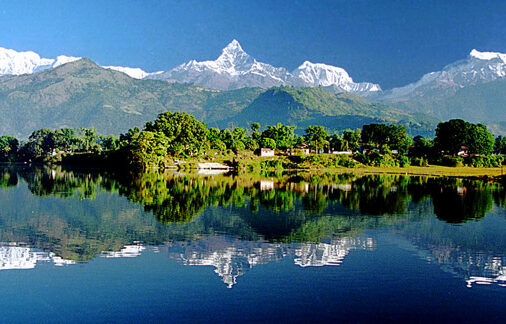
The tour includes private vehicle transportation for all city transfers and sightseeing, as well as domestic flights between Pokhara, Jomsom, and Kathmandu. The roads in Nepal can be narrow and winding, especially in rural areas, so it’s advisable to travel with an experienced driver. The domestic flights offer stunning aerial views of the Himalayas and are a quicker alternative to road travel. If you have mobility concerns, inform your tour operator in advance so they can make appropriate arrangements to ensure your comfort and safety during the tour.
Spiritual Sites and Their Significance
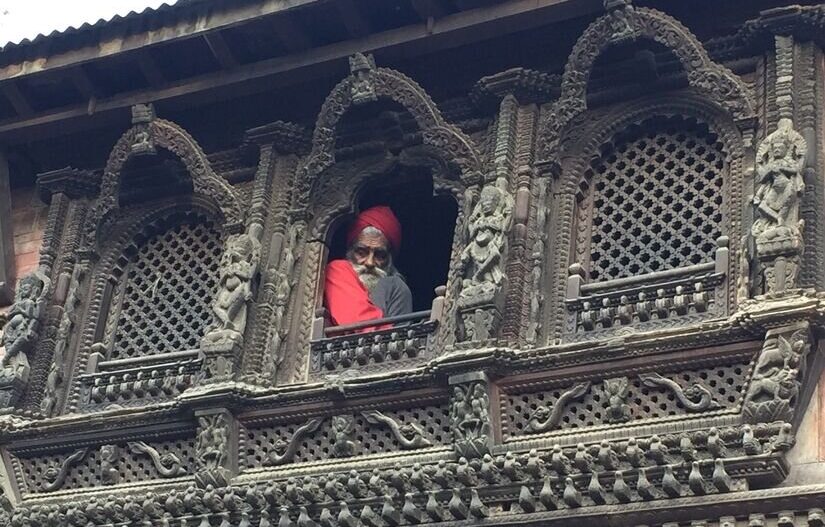
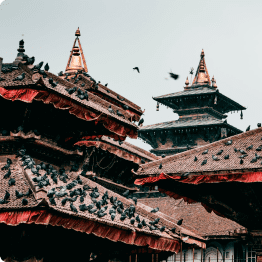
The spiritual sites included in this tour are among the most revered in Nepal, each with its own unique significance. Pashupatinath Temple is a key site for Hindu pilgrims, dedicated to Lord Shiva, while Boudhanath and Swayambhunath are important centers for Tibetan Buddhism. Lumbini, the birthplace of Lord Buddha, is a UNESCO World Heritage site and a place of pilgrimage for Buddhists from around the world. Muktinath Temple is unique in its reverence by both Hindus and Buddhists, symbolizing the unity of these two spiritual traditions. Visiting these sites offers a profound understanding of Nepal’s religious diversity and spiritual richness.
Responsible Spiritual Tourism
As you embark on this spiritual journey, it’s important to practice responsible tourism that respects the environment, supports local communities, and preserves the cultural heritage of Nepal. Avoid littering and minimize your environmental impact by using reusable water bottles and bags. Support local artisans and businesses by purchasing handicrafts and souvenirs directly from them. If you wish to contribute to the communities you visit, consider making a donation to local temples, monasteries, or conservation projects. By being a mindful traveler, you help ensure that Nepal’s spiritual heritage is preserved for future generations.
Post-Tour Reflection and Practice
A spiritual tour in Nepal is not just about visiting sacred sites; it’s an opportunity for inner transformation and spiritual growth. After the tour, take time to reflect on your experiences and how they have impacted your understanding of spirituality. Continue the practices you learned during the tour, such as meditation or yoga, and integrate them into your daily life. Keeping a journal of your experiences and insights can be a valuable tool for ongoing spiritual development. Remember that the journey doesn’t end when the tour concludes—spiritual growth is a lifelong process that continues long after you return home.