Upper Mustang, often referred to as the “Forbidden Kingdom,” remained closed to foreigners until 1992, preserving its unique culture and traditions. This remote region, once an independent kingdom, retains an aura of mystery and intrigue, drawing travelers seeking adventure and cultural exploration.
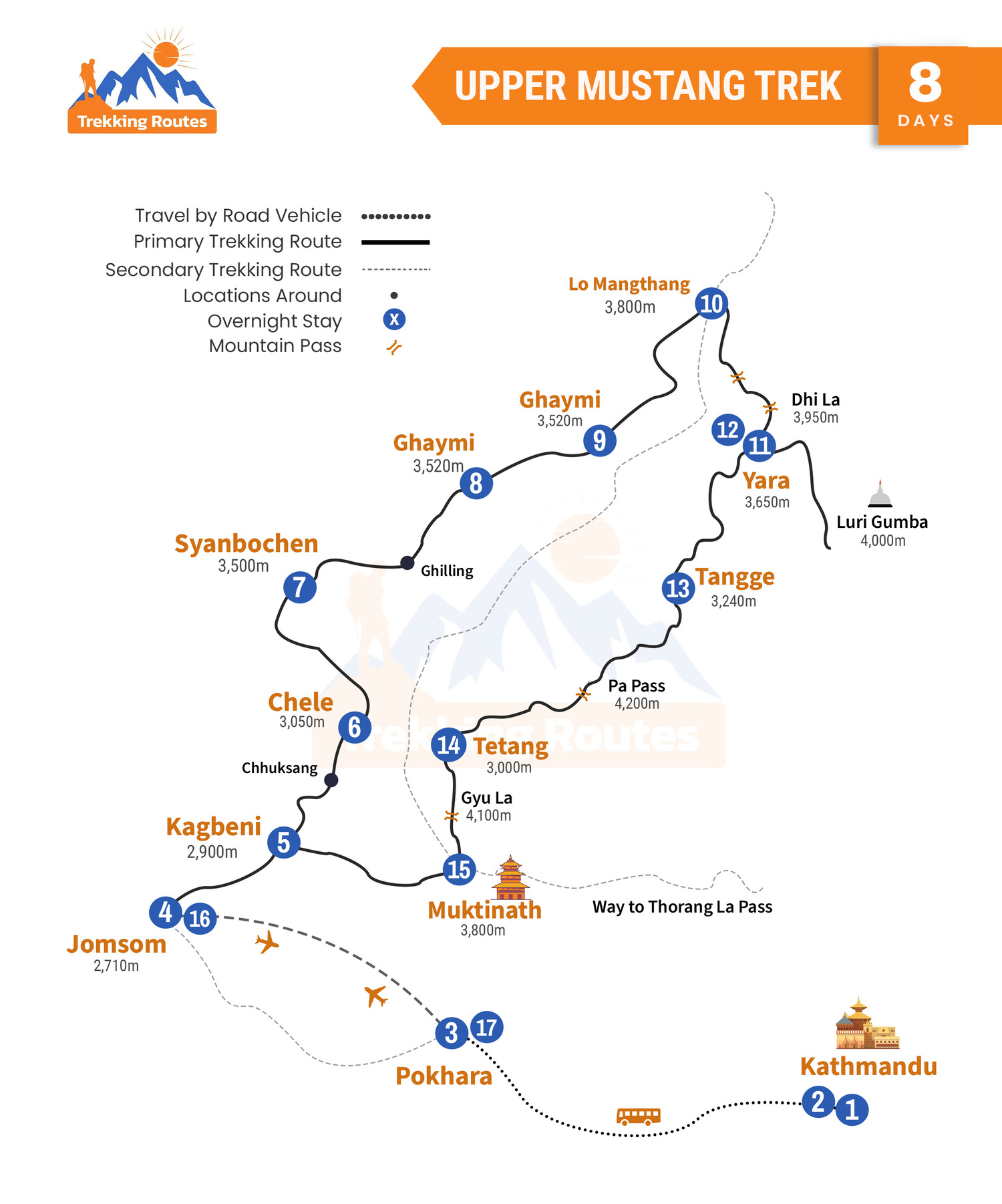
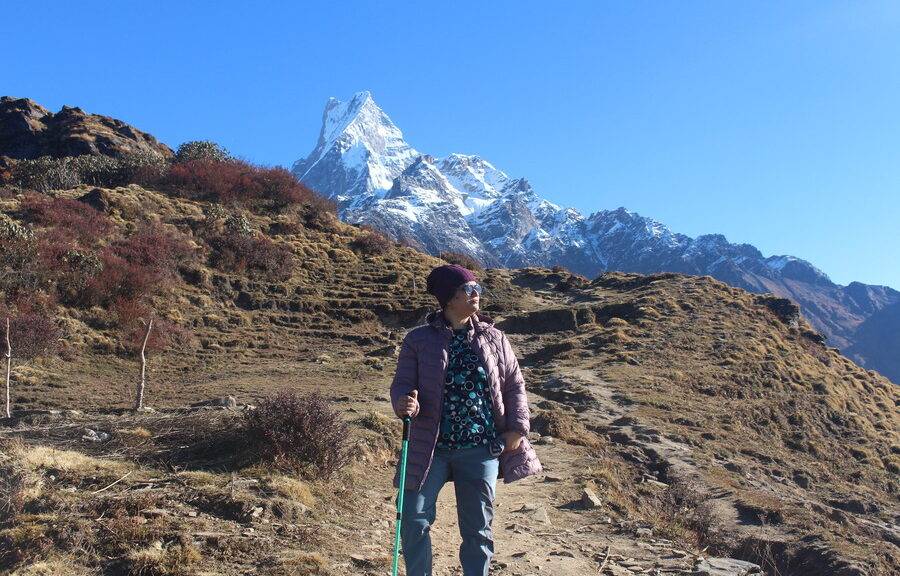
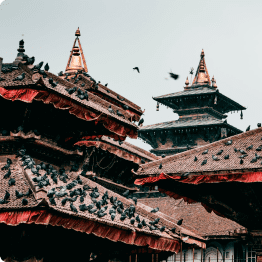
The trek begins in the town of Jomsom, where trekkers are greeted by mesmerizing views of snow-capped peaks and the windswept beauty of the Mustang Valley. The trail winds its way through rugged terrain, deep gorges, and barren cliffs, offering glimpses of ancient monasteries, chortens, and cave dwellings adorned with intricate murals. The highlight of the Upper Mustang Trek is the medieval town of Lo Manthang, the former capital of the Mustang Kingdom and a UNESCO World Heritage Site. Enclosed within towering walls, Lo Manthang exudes an air of mystery and grandeur with its well-preserved mud-brick buildings, royal palace, and labyrinthine alleys. Exploring the narrow streets of this ancient town feels like stepping back in time to a bygone era of kings and warriors.
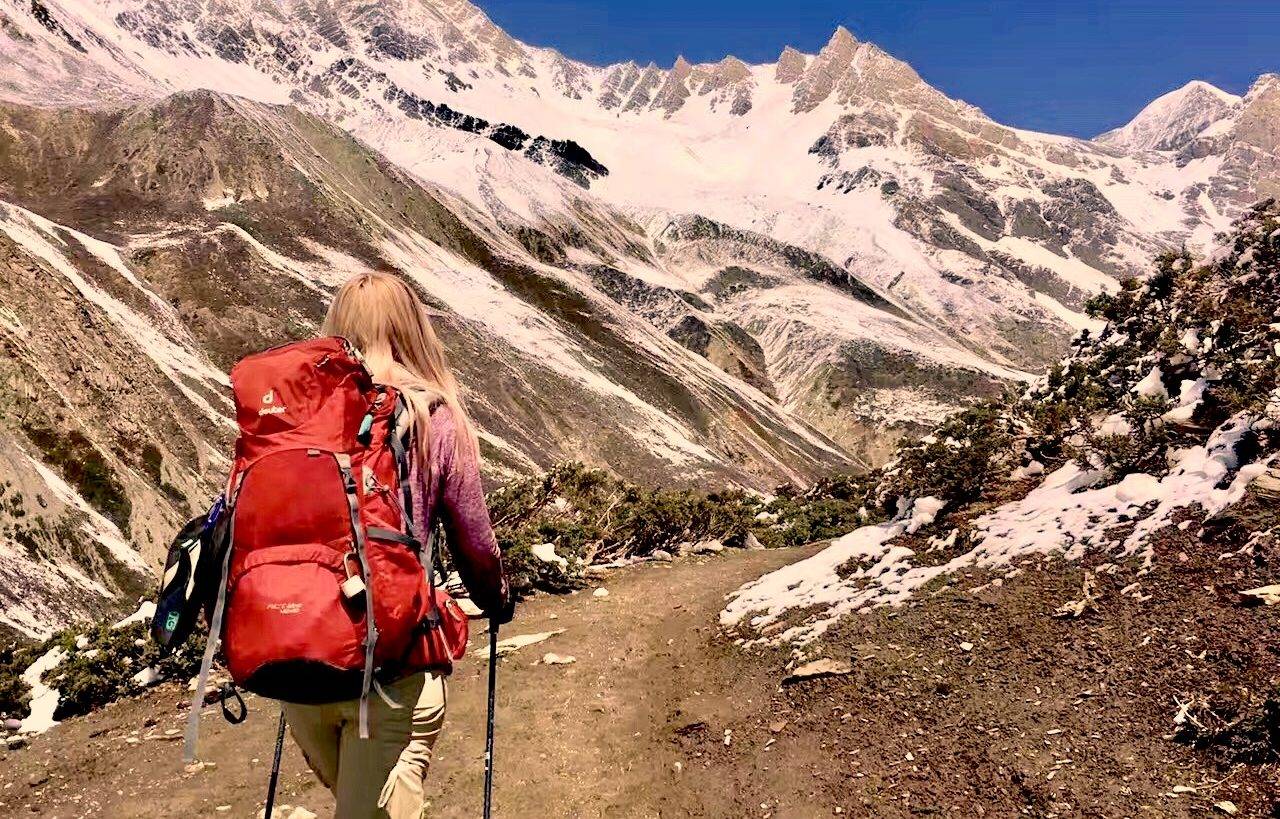
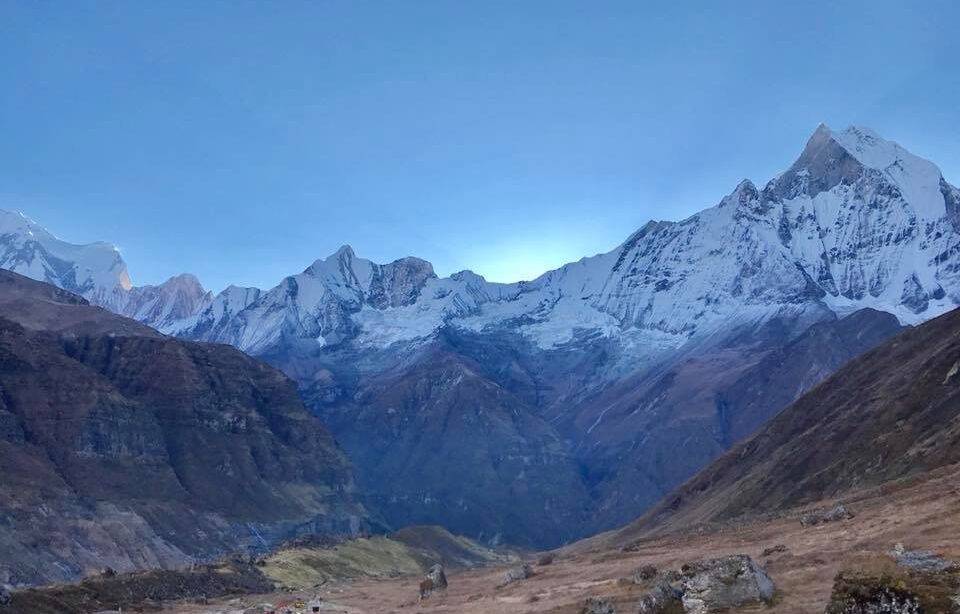
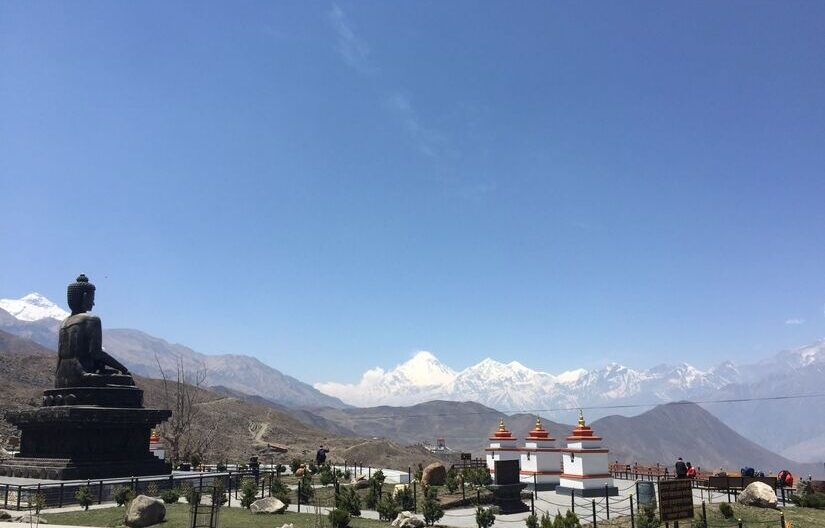
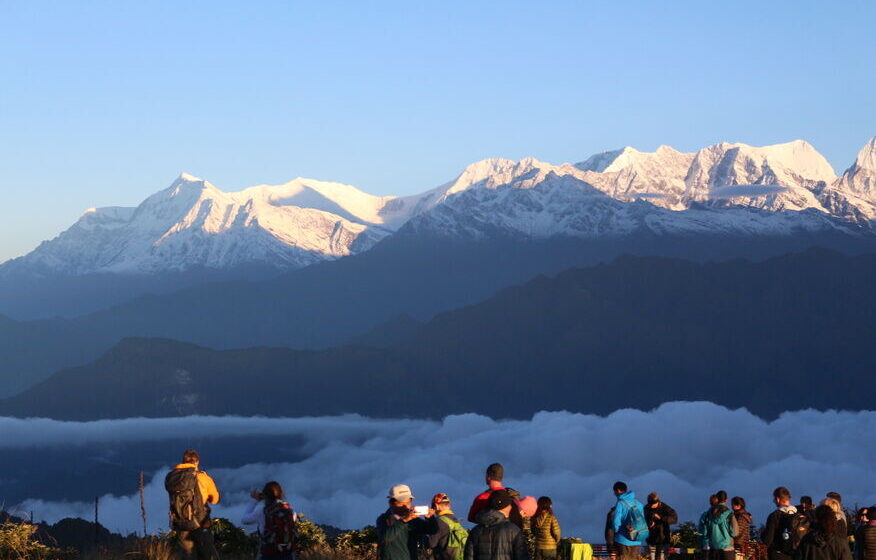
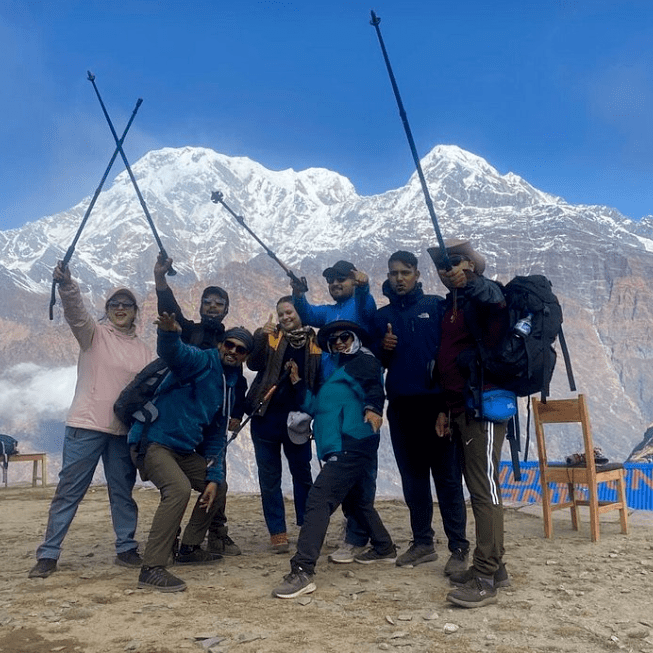
As trekkers traverse the high mountain passes and windswept plateaus of Upper Mustang, they are treated to the stunning surrounding Himalayas, including the Annapurna and Dhaulagiri ranges. They encounter traditional villages adorned with prayer flags, where they can interact with the warm and hospitable local communities and witness traditional ceremonies and festivals.
The Upper Mustang Trek is not just a journey through breathtaking landscapes; it is a spiritual pilgrimage, a quest for enlightenment amidst the timeless beauty of the Himalayas. Whether exploring ancient monasteries or, trekking through Remote Mountain trails, this adventure leaves a lasting impression on the soul, inviting travelers to experience the magic of Mustang’s Forbidden Kingdom firsthand.
History of Upper Mustang
In the annals of Nepal’s history, Upper Mustang stands as a testament to the resilience and ingenuity of its people. Nestled within the rugged terrain of the Himalayas, this ancient region has been a crossroads of cultures and civilizations for centuries. Once an independent kingdom, Mustang has a rich and storied past, steeped in legend and tradition.
Dating back to the 14th century, Upper Mustang was ruled by the Lo kings, who established a flourishing kingdom amidst the harsh mountain landscape. Strategically located on the trade route between Tibet and India, Mustang became a hub of commerce and cultural exchange, with merchants and travelers from far and wide passing through its borders. The history of Upper Mustang is intertwined with that of Tibetan Buddhism, which flourished in the region under the patronage of the Lo kings. Monasteries and religious institutions were established, becoming centers of learning and spirituality for the local populace. In the 18th century, Upper Mustang was integrated into the Kingdom of Nepal, marking a new chapter in its history. Despite this, the region maintained its distinct cultural identity, with its own language, customs, and traditions.
Today, the ancient forts, monasteries, and cave dwellings of Upper Mustang stand as silent witnesses to its illustrious past. As travelers explore the winding trails and hidden valleys of this remote region, they are transported back in time, discovering the rich tapestry of history and heritage that defines Upper Mustang.
A Day in Upper Mustang
In Upper Mustang, every day is an adventure waiting to unfold, filled with surprises, discoveries, and the thrill of exploration. As the golden rays of the morning sun peek over the horizon, casting a warm glow on the rugged landscape, trekkers eagerly set out to embrace the day’s challenges and rewards.
The journey begins with a hearty breakfast at a cozy teahouse, fueling adventurers for the day ahead. With backpacks packed and spirits high, they venture forth into the wilderness, guided by the promise of breathtaking vistas and ancient wonders waiting to be uncovered.
The trail meanders through rocky terrain, winding its way past terraced fields and traditional villages frozen in time. Along the way, trekkers encounter friendly locals going about their daily routines, their smiles and greetings adding to the sense of camaraderie and warmth.
As the day progresses, the landscape transforms before their eyes, revealing hidden gems and unexpected treasures at every turn. Majestic cliffs rise tall against the azure sky, while crystal-clear streams babble merrily beside the trail, offering a refreshing respite from the midday sun.
Amidst the rugged beauty of the Mustang Valley, ancient monasteries stand as silent sentinels of the past, their weathered facades echoing tales of bygone eras and spiritual enlightenment. Trekkers pause to marvel at the intricate architecture and colorful murals adorning the walls, soaking in the history and heritage of this sacred land.
With each step forward, adventurers are enveloped in a sense of wonder and awe, as if stepping into a living painting of untamed wilderness and timeless beauty. The air is alive with the sound of prayer flags fluttering in the breeze, their vibrant colors dancing against the backdrop of snow-capped peaks.
As the sun begins its descent towards the horizon, casting a golden hue over the landscape, trekkers find themselves drawn towards a hidden oasis of tranquility. Here, amidst the silence of the wilderness, they pause to reflect on the day’s adventures, grateful for the opportunity to explore this remote corner of the world.
As night falls and stars twinkle overhead, trekkers gather around a crackling fire, sharing stories and laughter beneath the vast expanse of the night sky. In this moment, surrounded by the beauty of nature and the company of newfound friends, they are reminded of the true meaning of adventure: to seek, to discover, and to embrace the wonders of the world around them.
Best Time to Visit Upper Mustang
The ideal time to explore Upper Mustang is during the spring and autumn seasons. In spring, from March to May, the valley bursts into life as vibrant wildflowers carpet the landscape, and temperatures begin to warm up after the winter chill. This time of year offers clear skies and excellent visibility, perfect for admiring the stunning mountain views and ancient monasteries. Similarly, autumn, from September to November, brings mild temperatures and stable weather, making it an ideal time for trekking and sightseeing. The crisp air is invigorating, and the clear, blue skies provide unparalleled views of the surrounding peaks. Additionally, autumn sees the harvest season in full swing, offering visitors a chance to witness traditional farming practices and immerse themselves in the local culture. Whether exploring hidden caves, visiting ancient villages, or trekking through breathtaking landscapes, both spring and autumn offer unforgettable experiences in Upper Mustang.
You can explore the ancient walled city of Lo Manthang, the former capital of the Mustang Kingdom. Marvel at its well-preserved mud-brick buildings, royal palace, and labyrinthine alleys, transporting yourself back to a medieval era. Jampa Gompa, built around the 15th Century, is another beautiful place within Lo Manthang, which is a fine testament to the place’s history.
Immerse yourself in the rich Tibetan Buddhist culture of Upper Mustang, evident in its ancient monasteries, chortens (stupas), and cave dwellings adorned with intricate murals. Witness traditional ceremonies and festivals and engage with local communities to gain insight into their way of life.
You will trek through rugged terrain, deep gorges, and windswept plateaus, with stunning views of the snow-capped peaks of the Annapurna and Dhaulagiri ranges. The barren cliffs and surreal landscapes of Upper Mustang create a unique and mesmerizing backdrop for your adventure.
Traverse high mountain passes, such as the Nyi La Pass (4,010 meters) and the Kora La Pass (4,660 meters), offer panoramic vistas of the surrounding Himalayas. These challenging yet rewarding ascents will give you unforgettable views and a sense of achievement.
Obtain a special permit to trek in the Upper Mustang, as it is restricted. This permit helps regulate tourism and preserve the region’s fragile ecosystem and cultural heritage, ensuring the trekking experience’s sustainability.
Admire the unique architecture of Upper Mustang, characterized by its mud-brick buildings, whitewashed walls, and intricate woodwork built about 600 years ago. The medieval towns and villages of Upper Mustang are a testament to the region’s rich history and cultural heritage.
Experience a spiritual journey as you trek through the sacred landscapes of the Upper Mustang, following in the footsteps of ancient pilgrims. The atmosphere, ancient monasteries, and majestic mountains create the perfect setting for introspection and spiritual contemplation. You may also experience a trance-like state buried within the chanting and humming during prayer times when monks and other people light incense and pray to God for prosperity and longevity.
- The Ancient Salt Caravan Route
Long ago, Upper Mustang was where people from Nepal and Tibet traded goods. They traveled this route, bringing salt from Tibet to Nepal and returning grains. Since Tibet’s land wasn’t good for growing crops, they traded their salt for Nepal’s grains. When you trek, you’ll follow this old path, once used by traders exchanging salt for grain.